The Supply Chain Act: transparency and quality along the entire value chain
The Supply Chain Act at a glance
- Act on Corporate Due Diligence in Supply Chains: Protection of human rights and environmental standards within the global economy.
- Since 1 January 2023: In force in Germany.
- From 1 January 2024: Mandatory for companies with 1,000 or more employees.
- April 2024: New EU directive obliges large companies to ensure compliance with human rights throughout their supply chains.
- SMEs also affected: As suppliers in the global economic chain.
New duties, clear processes
Focus on due diligence and risk management
Companies are faced with the task of establishing a comprehensive risk management system that fulfils the due diligence obligations of the Supply Chain Act. Companies must take active measures and establish transparent processes that involve all relevant stakeholders. This includes
- Establishment of a risk management system
- Carrying out risk analyses
- Documentation and verification obligations as well as annual management assessment and reporting
- Preventive and remedial measures
- Implementation of a complaints management system
- Defining responsibilities and providing resources and training

Quality management software as a solution
The comprehensive integration of QS1 into existing management systems (e.g. IMS, ISMS) ensures seamless embedding of supply chain requirements. Isolated solutions and redundant systems are avoided, which saves resources during implementation.
Modules such as process management, complaint management, supplier management, qualification management and audit management support the identification and assessment of supplier risks and the planning of corrective measures.
In addition, the Document Management module facilitates the creation, management and tracking of reports and evidence required for compliance with statutory reporting obligations. Workflow management supports the automated implementation of measures and the monitoring of deadlines.

Compliance as a strategic advantage
The Supply Chain Act and process management are closely linked, as compliance with legal requirements requires systematic and transparent processes. Process management helps to structure and document risk analyses, supplier assessments and action plans. It supports the mapping of due diligence obligations in clear, repeatable processes, from the identification of risks to the implementation of remedial measures. In this way, compliance with the Supply Chain Act is efficiently integrated into company processes and monitored. The QS1 process management module offers a comprehensive solution that plans, controls, documents and versions your processes in accordance with the standards.
QS1 - CAQ software that can do more
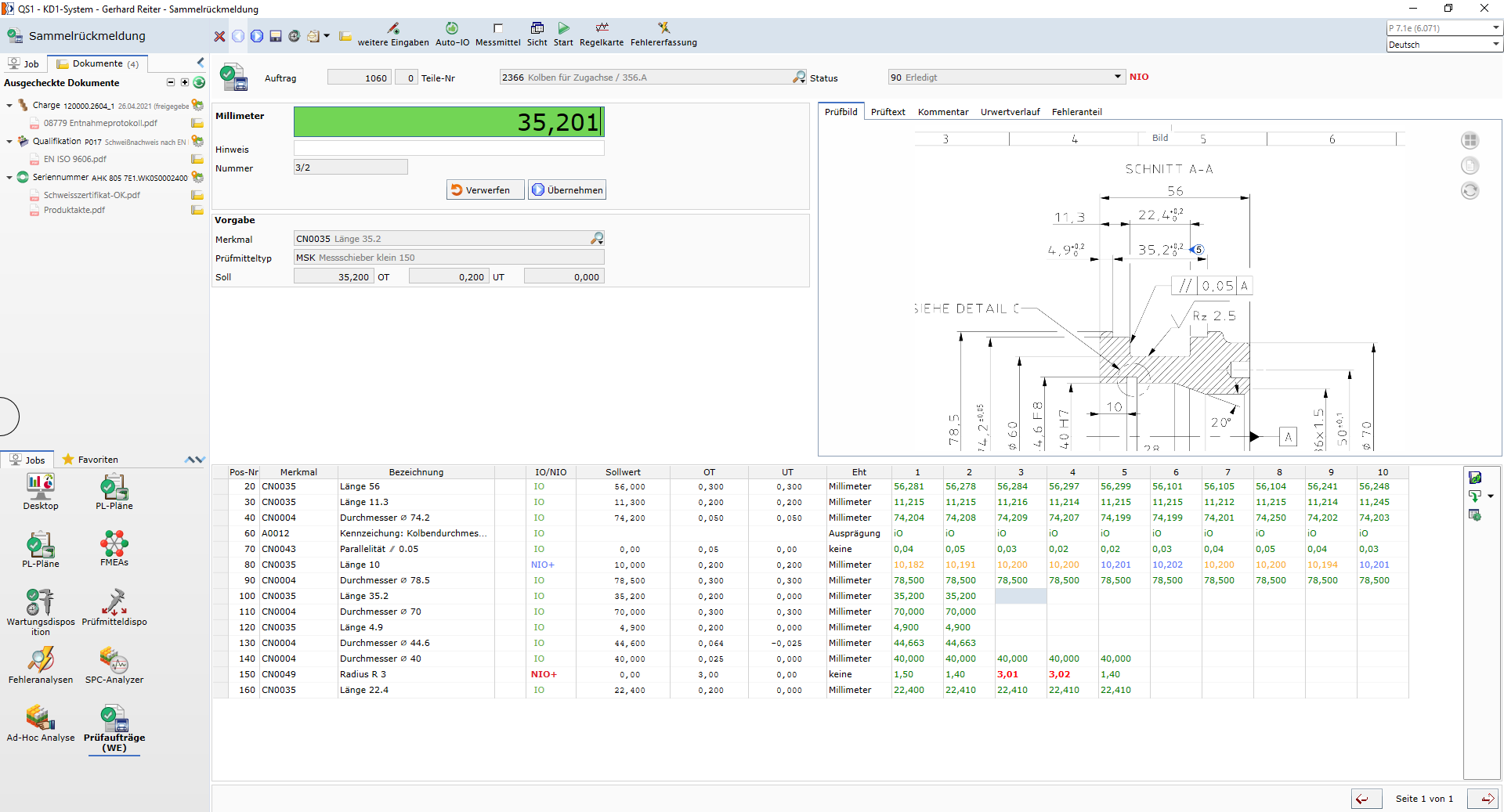
QS1's quality inspection plays a central role in supply chain compliance by enabling precise and resource-efficient inspection of incoming and outgoing goods. Sophisticated inspection plans and a dynamic inspection strategy ensure that supplier standards and legal requirements are met.
The automatic creation of inspection plans based on ERP data such as article, order or goods receipt information ensures seamless integration into existing processes. Dynamisation levels, such as first delivery or skip-lot checks, direct the inspection effort specifically to where it is needed and reduce resource consumption.
Inspection results have a direct impact on the flow of goods: iO inspections automatically trigger releases or putaways, while niO results start the workflow for complaints. Deviations can be processed immediately in the complaints module and communicated via the supplier portal.
With QS1, quality assurance along the supply chain is organised systematically and efficiently. Companies reduce risks, fulfil their due diligence obligations and ensure compliance with legal regulations - a decisive contribution to the successful implementation of the LkSG.
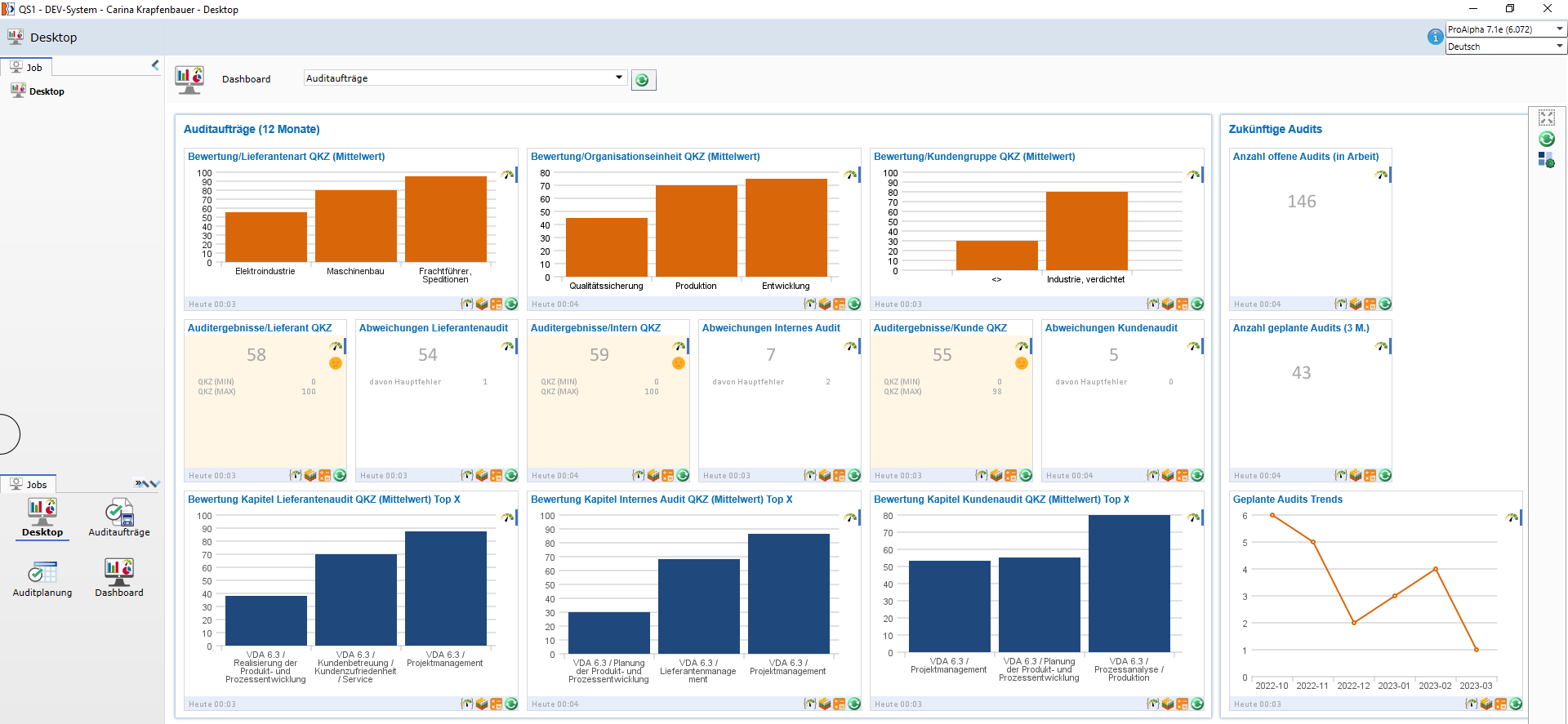
QS1's audit management supports companies in efficiently implementing the requirements of the German Supply Chain Act (LkSG) by covering the entire audit process - from planning to evaluation.
It enables efficient control through automatic suggestions based on stored rules, such as classifications or the results of previous audits. With flexible workflow processes, predefined and customisable questionnaires and options for remote audits or self-assessment processes, QS1 guides auditors conveniently through all steps. Deviations can be recorded at any point and analysed and measures initiated using CAPA processes. All audit results flow directly into the supplier evaluation, release status and incoming goods inspection, while the QS1 Analyser provides a learning system for continuous improvement with comprehensive standard and trend analyses.